recent post

How to Dewinterize a Camper

Winter can be hard on a camper. If your RV has been sitting through the cold months, it is important to get it ready before your first trip of the season. This helps make sure the plumbing, battery, tires, appliances, and other parts are safe and ready to use.

At All Campers, we help RV owners in St. Cloud, MN with camper repairs, seasonal maintenance, and getting their campers ready for the road. Here is a simple guide on how to dewinterize a camper before camping season begins.
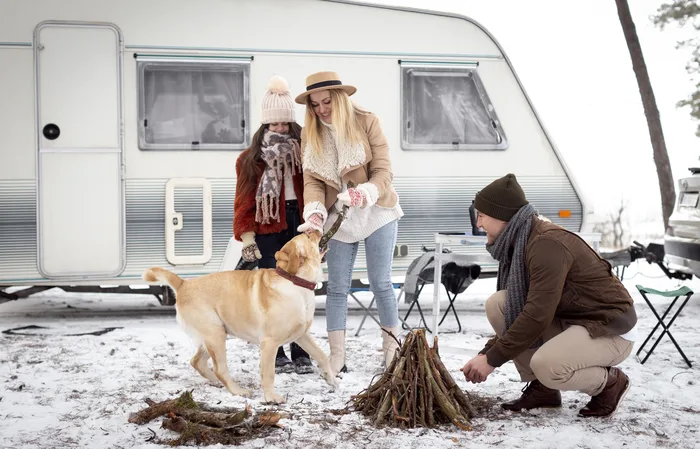
Family trying to dewinterize a camper

What Does It Mean to Dewinterize a Camper?

It means getting your RV ready after it has been stored for winter. Many campers are winterized with RV antifreeze to protect the water lines from freezing. Before you use the camper again, that antifreeze needs to be flushed out.

Dewinterizing also means checking the camper for damage, testing the systems, and making sure everything is working the way it should.

Start With a Full Walkaround

Before turning anything on, walk around the outside of your camper. Look for anything that seems loose, cracked, damaged, or out of place.
Check areas like:
Winter weather can cause cracks, leaks, and wear. Finding problems early can save you from bigger repairs later.

Check the Roof and Seals

Your camper roof is one of the most important areas to inspect. Snow, ice, wind, and cold temperatures can weaken seals around vents, skylights, antennas, and edges.
Look for cracks, gaps, or peeling sealant. If water gets through the roof, it can damage walls, ceilings, floors, and cabinets.
If you are not sure what to look for, it is a good idea to have an RV repair shop inspect it. A small roof seal repair is much cheaper than fixing water damage.

Flush the RV Antifreeze From the Water System

If your camper was winterized, there is likely RV antifreeze in the plumbing lines. This needs to be flushed before using the water system.
Here is the basic process:
Make sure you flush every water line in the camper. RV antifreeze is usually pink, so keep running water until the pink color is gone.
Many campers have a water heater bypass system that is used during winterizing. When dewinterizing, you need to switch the valves back so water can enter the water heater again.
Before turning the water heater on, make sure it is full of water. Running a water heater while it is empty can damage it.
Also check the water heater plug or anode rod. If it looks worn or damaged, it may need to be replaced.

Sanitize the Fresh Water Tank

After sitting all winter, your fresh water tank and lines should be cleaned before use. Many RV owners sanitize the system with a water and bleach mix.
A common method is to add a small amount of household bleach mixed with water into the fresh tank, fill the tank, run it through the lines, let it sit for several hours, and then flush everything with clean water.
This helps remove bad smells and keeps your water system cleaner for the season.

Check the Battery

Cold weather can drain or weaken a camper battery. Before your first trip, check the battery and make sure it is fully charged.
Look for:
If the battery is weak, your lights, slide-outs, jack, and other systems may not work properly.

Inspect the Tires

Camper tires can lose air while sitting in storage. Check the tire pressure and inspect the tires for cracks, flat spots, or dry rot.
Even if the tread looks fine, old RV tires can still be unsafe. If your tires are aged, cracked, or worn, replace them before taking a trip.
Also check the spare tire. Many people forget about it until they need it.

Test the Lights

Test all exterior and interior lights before driving.
Check:
If you tow your camper, plug it into the tow vehicle and make sure the trailer lights work correctly.

Check the Propane System

Turn on the propane and check that your propane-powered appliances are working. This may include the stove, furnace, refrigerator, and water heater.
If you smell propane, turn it off right away and do not use the system until it has been inspected. Propane leaks can be dangerous and should be handled by a professional.

Test the Appliances

Before heading out, test the main appliances in your camper.
Make sure these are working:
It is better to find a problem at home than when you are already at the campground.

Check for Leaks

After the water system is pressurized, look under sinks, around the toilet, near the shower, and around the water heater. Watch for drips or wet spots.
Small leaks can become big problems if they are ignored. If you see water where it should not be, get it fixed before your trip.

Clean the Inside of the Camper

Once the systems are checked, give the inside a good cleaning. Open the windows, air it out, wipe down surfaces, and check for signs of mice or bugs.
Look inside cabinets, drawers, storage areas, and under furniture. If pests got inside during winter, you may find droppings, chewed wires, or damaged insulation.

Do a Short Test Trip

Before taking a long camping trip, consider doing a short test drive or a quick overnight stay close to home. This gives you a chance to make sure everything works.

A short test trip can help you catch problems with towing, brakes, lights, water, heat, or power before you travel farther away.

When Should You Dewinterize a Camper in Minnesota?

In Minnesota, it is best to wait until freezing temperatures are mostly done before dewinterizing your camper. If you do it too early and the temperature drops again, your water lines could freeze.

For many RV owners around St. Cloud, MN, spring is the time to start preparing, but always keep an eye on the weather before adding water back into your camper. Read similar posts

how to winterize an rv

How to remove stickers from camper

What causes RV delamination

Need Help?

All Campers provides RV repair and camper service in St. Cloud, MN. Whether you need help dewinterizing your camper, fixing a leak, checking your water system, or getting ready for camping season, our team can help.