recent post
What’s the difference between an RV and a camper
An RV drives on its own engine. A camper tows...
How to keep RV pipes from freezing while camping
Keep RV pipes from freezing while camping: insulate lines, run...
Are pop up campers worth it?
Are pop up campers worth it? For St. Cloud weekenders...
How to find propane leak in RV
recent post How to find propane leak in RV recent...
How to Underpin a Camper
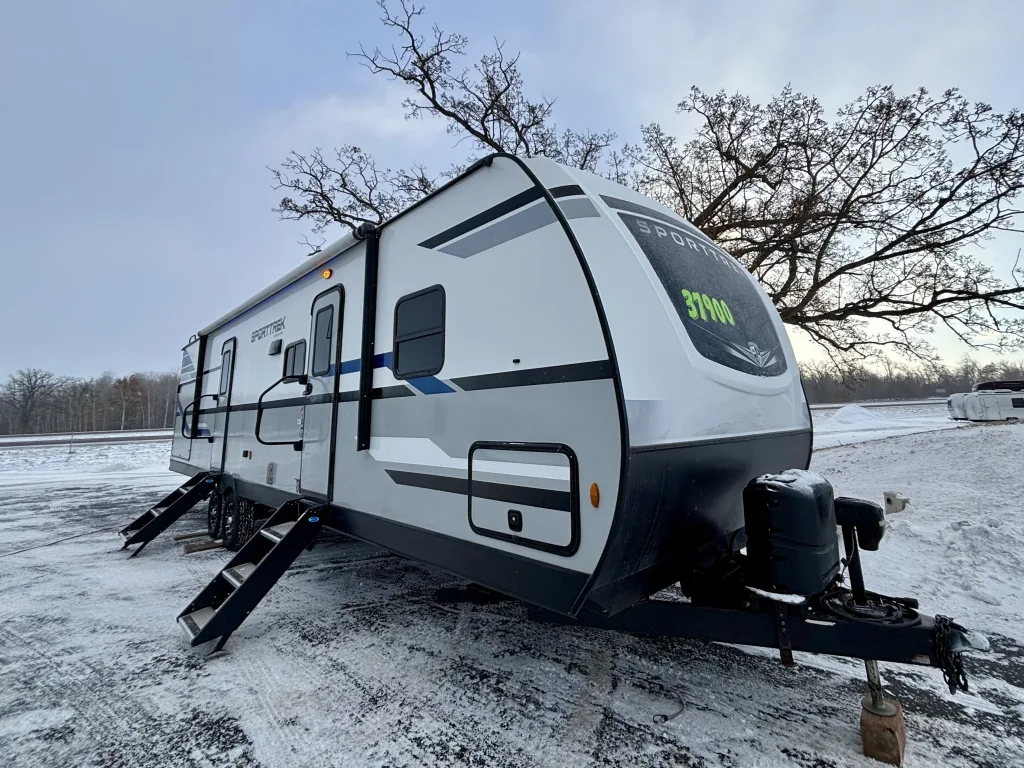
What Does “Underpinning a Camper” Mean?
Why It Matters
- Keeps cold air out during winter
- Helps prevent pipes and tanks from freezing
- Reduces heating costs over time
- Protects the underside from dirt, snow, and animals
- Makes your camper feel more like a steady living space
Best Time to Install Underpinning
Materials You Can Use
Vinyl Skirting
Foam Board Insulation
Plywood or Wood Panels
Metal Panels
DIY Options (Tarps or Plastic)
Step-by-Step Guide
2. Prepare the Ground
Clear away snow, rocks, or debris. Try to level the ground if possible. This helps seal the bottom edge better.
3. Cut the Material
Cut your skirting to size. If you are using foam boards or wood, make clean cuts so the pieces fit tightly together.
4. Attach to the Camper
Secure the top edge to your camper using snaps, rails, or fasteners. Make sure everything is tight and even.
5. Seal the Bottom Edge
Use stakes, boards, or sandbags to hold the skirting in place. The goal is to block wind from getting underneath.
6. Add Ventilation
Install a few small vents to allow airflow. This helps prevent moisture and mold from building up under the camper. Read about how to organize a camper
How to Insulate Even Better
- Place foam board behind vinyl skirting for added insulation
- Use straw bales along the base for extra wind blocking
- Add weather stripping around any openings
- Cover exposed pipes with insulation sleeves
Protecting Your Water System
- Use a heated water hose if you are hooked up to city water
- Wrap pipes with heat tape and insulation
- Keep your tanks as full as possible during cold weather
- Open cabinet doors inside to allow warm air to reach pipes
Common Mistakes to Avoid
- Leaving gaps at the corners or bottom
- Skipping ventilation, which leads to moisture problems
- Using weak materials that tear in wind
- Not checking the skirting after storms
- Forgetting access points for storage or maintenance
Maintenance Tips
- Check for loose sections after strong winds
- Clear snow buildup if it starts to push against the panels
- Watch for signs of animals trying to get underneath
- Inspect for moisture or mold every few weeks
When to Call a Professional
If you want a clean look, long-term durability, or you simply do not have the time, professional installation can be a good option. It ensures a tight fit and proper sealing, which is important in colder climates. Read about how to level a camper
Final thoughts
Underpinning your camper is a simple project that pays off in comfort and protection. It keeps the cold out, helps your systems run better, and makes your camper feel more stable during long stays. How to Winterize an RV